
AI Skills Library for Freight
OFreight AI is built from specialized freight AI skills. Each skill understands a specific part of freight, logistics, shipping, warehousing, customs, or finance.
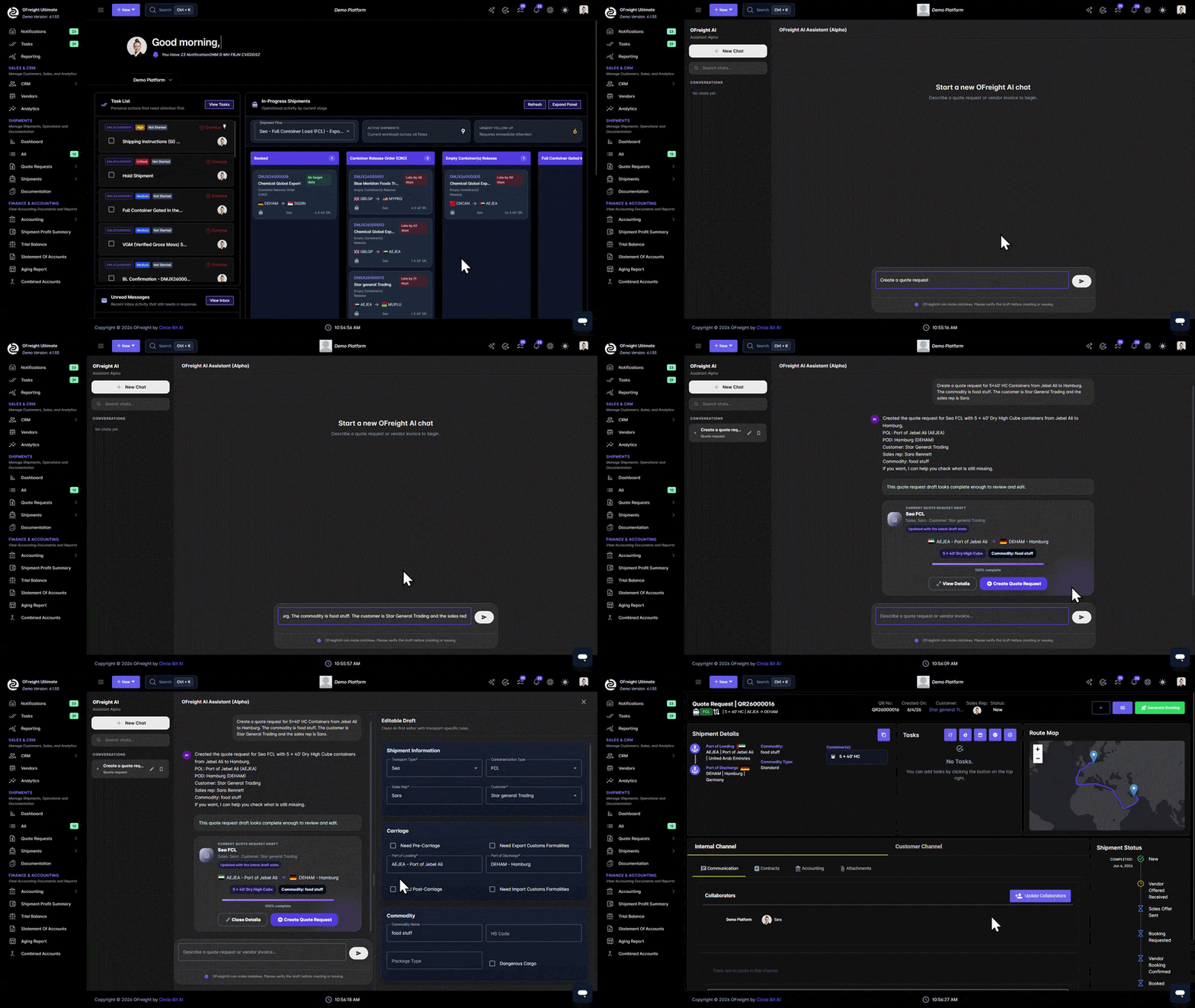
Quote Request Understanding
AI that understands freight quote requests
AI reads customer quote requests from emails, portals, chat, PDFs, Excel files, and forms.
It extracts origin, destination, transport mode, Incoterms, commodity, weight, volume, dimensions, container type, readiness date, special requirements, and customer instructions.
Document Extraction AI
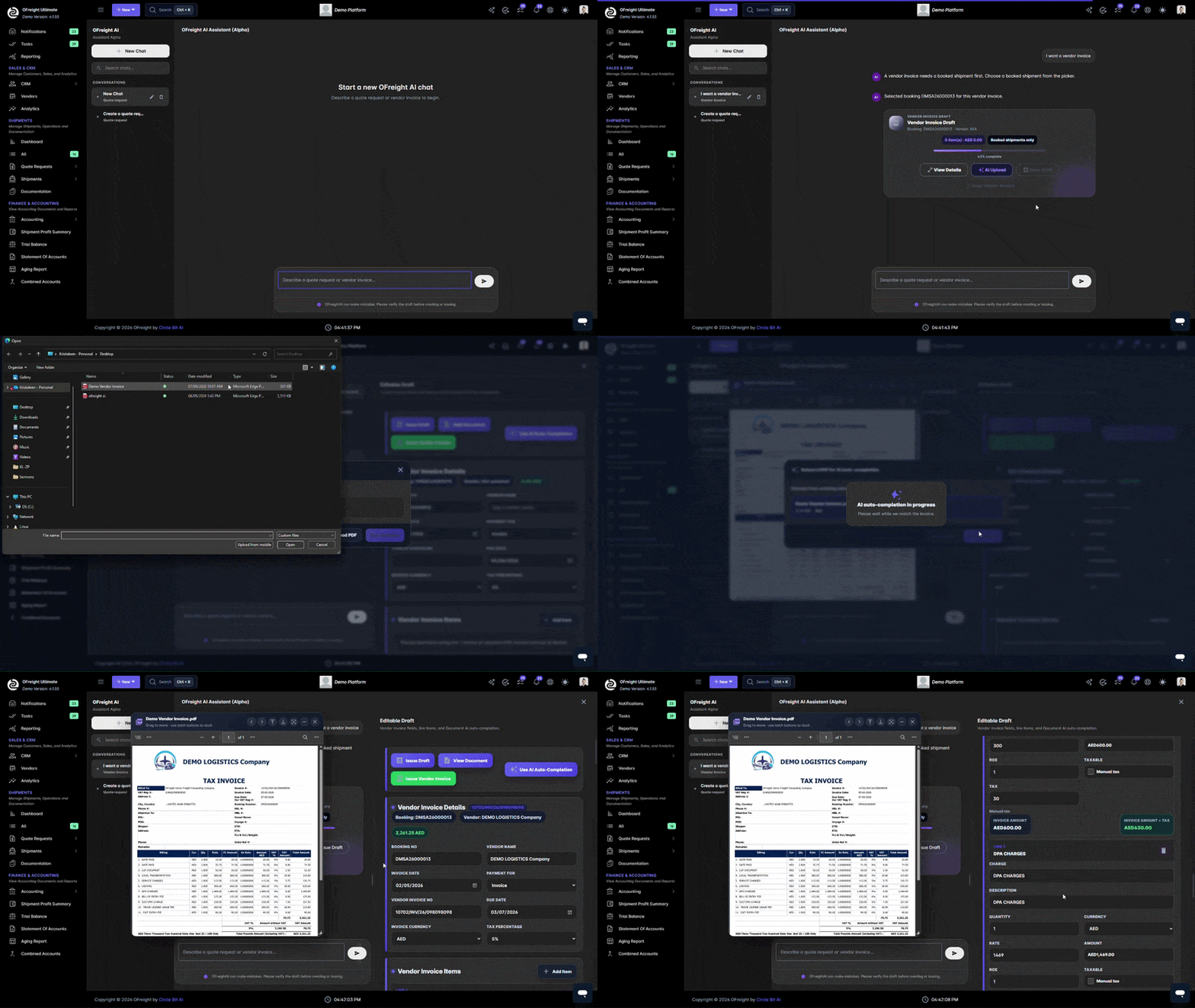
Turning freight documents into usable data
This skill extracts structured data from freight, commercial, customs, warehouse, and finance documents.
It works across invoices, packing lists, bills of lading, air waybills, certificates, customs documents, vendor invoices, and customer invoices.
Freight Decision Engine
Better decisions across rates, routes, and margins
The decision engine helps AI agents choose actions based on business rules, customer profile, pricing logic, carrier options, transit time, margin, risk, and service quality.
Commercial & Shipping Documents
AI that reads the documents freight teams live in
OFreight AI understands commercial and shipping documents used across customs, finance, operations, documentation, compliance, and shipment validation.
Customs & Finance AI
From customs data to invoice matching
Customs AI prepares declaration data, detects missing information, and validates shipment details.
Finance AI handles cost matching, revenue matching, profit checks, payables, receivables, and payment allocation.
Email & Communication AI
Freight communication handled with context
This skill understands, writes, and responds to freight communication across customers, vendors, agents, and internal teams.
Browser & Software Automation
AI agents that can work inside real systems
OFreight AI can work with carrier portals, customs portals, port systems, airline portals, shipping line websites, ERP systems, CRMs, accounting systems, APIs, and workflow triggers.
Customer Knowledge RAG AI
Company knowledge available to every AI agent
This skill connects AI agents to company knowledge, shipment history, customer SOPs, contracts, FAQs, tariffs, policies, and operational rules.
Data Validation & Error Detection
Catching mistakes before they become problems
AI checks freight data for inconsistencies, missing details, incorrect values, duplicate records, and operational risks.
Multi-Agent Collaboration Engine
Multiple AI agents working together across departments
OFreight AI allows agents to work together across sales, procurement, operations, documentation, customs, finance, and customer service.
A sales agent can receive a quote request, ask procurement for buying rates, check customer history, select the best option, create the quotation, and send it for approval.